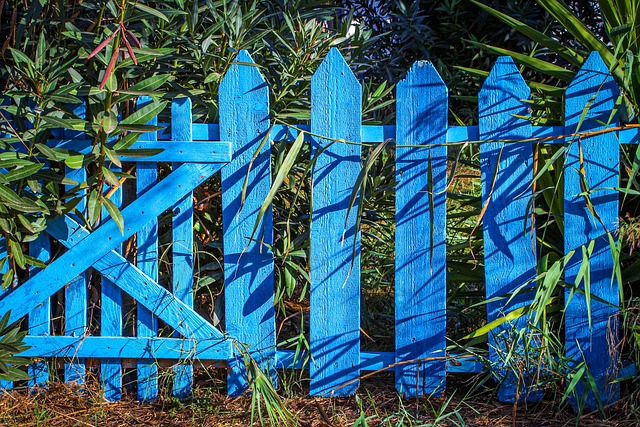
In coastal regions, where harsh conditions and salty air can rapidly deteriorate materials, durable wooden fencing presents a compelling natural barrier solution. This guide provides an authoritative analysis on how to select, install, maintain, and benefit from resilient wood species for beachfront applications. You will discover the critical importance of understanding coastal conditions that affect fence durability, specific wood types best suited for these environments, proven application techniques to extend lifespan, effective maintenance strategies tailored to salty atmospheres, and the multifaceted advantages of natural barriers. By the end, you’ll be equipped with the knowledge to make informed decisions, ensuring your wooden fencing stands strong against the relentless coastal elements.
- Understanding Coastal Conditions for Fencing Durability
- Choosing Resilient Wood Species for Beachfront Installations
- Application Techniques to Maximize Wooden Fence Lifespan
- Maintenance Strategies for Longevity in Salty Environments
- Benefits and Considerations of Natural Barrier Protection
Understanding Coastal Conditions for Fencing Durability
Durable Wooden Fencing for coastal areas requires a deep understanding of the unique challenges presented by the environment. Coastal conditions, characterized by salty air, frequent moisture, strong winds, and varying temperature extremes, can significantly impact the longevity of any material used in construction, including wood.
Wooden fencing installed in these regions needs to withstand not only the relentless pounding of waves and storms but also the corrosive effects of salt water. Traditional untreated wooden fences often fail quickly due to rot, mold, and pest infestation caused by high moisture levels and salty air. To ensure longevity, it’s crucial to choose wood species naturally resistant to decay, such as cedar or redwood, which have natural oils that repel water and inhibit fungal growth.
Moreover, proper treatment methods are essential. Pressure-treated wood with a focus on coastal formulations offers enhanced resistance to corrosion from salt water. These treatments deep-penetrate the wood fibers, creating a barrier against moisture and pests. For added durability, coating the fence with a high-quality, weather-resistant sealant can provide an extra layer of protection, safeguarding the wood from the harshest coastal conditions. Regular maintenance, including cleaning and reapplying sealants, is also vital to prolong the life of these structures.
Choosing Resilient Wood Species for Beachfront Installations
When it comes to fencing in coastal areas, durability is key. Beachfront properties face unique challenges from relentless waves, salty air, and varying weather patterns. Choosing the right wood species for your fence is crucial to ensure longevity and resist the elements. This guide focuses on selecting resilient wood types best suited for demanding coastal environments.
Among softwoods, Western Red Cedar stands out as an excellent choice due to its inherent resistance to rot and insects. This natural defense mechanism makes it a top pick for beachfront installations, ensuring your fence can withstand moisture-laden air and periodic flooding. For instance, cedar’s unique properties have made it a traditional material for outdoor structures in coastal regions like the Pacific Northwest.
Another durable option is treated wood, such as pressure-treated pine or cypress. These woods undergo a chemical process to enhance their resistance to decay and insects. Treated options offer an affordable alternative to natural rot-resistant species while still providing several years of reliable performance in coastal settings. Local building codes often approve these treatments for outdoor applications.
Considered a premium choice, tropical hardwoods like Ipe or Teak exhibit exceptional durability and aesthetic appeal. These dense woods naturally resist decay, insects, and extreme weather conditions. While more expensive, their longevity makes them suitable for high-end beachfront properties, offering both beauty and robustness in challenging coastal environments.
Application Techniques to Maximize Wooden Fence Lifespan
When it comes to durable wooden fencing for coastal areas, the key to maximizing lifespan isn’t just about choosing the right wood; it’s about mastering application techniques that safeguard against the relentless elements. Salt air, fluctuating temperatures, and moisture can all contribute to decay and deterioration. To extend the life of your wooden fence, start by preparing the surface meticulously. Power washing removes dirt, grease, and mildew buildup, ensuring a clean slate for treatment. Next, apply a high-quality primer designed for exterior use; this barrier protects against moisture ingress and provides an optimal surface for paint to adhere.
Two coats of durable exterior paint or stain are essential, forming a protective shield that repels water and UV rays. Opt for colors and stains resistant to fading and chipping. For added durability, consider using pressure-treated lumber, which is naturally rot and insect-resistant. Moreover, incorporating galvanised hardware ensures all fasteners withstand the coastal environment. Regular maintenance – including re-painting or re-staining every few years – is crucial. Addressing any repairs promptly, such as replacing damaged boards or tightening loose posts, prevents minor issues from escalating into major problems.
Lastly, proper drainage around the fence is often overlooked but vital. Ensure water sheds away from the wood, preventing pools that can lead to rot and mould growth. By combining these application techniques with thoughtful material choices, you’ll significantly extend the lifespan of your coastal wooden fencing.
Maintenance Strategies for Longevity in Salty Environments
Maintaining wooden fencing in coastal areas poses unique challenges due to high salt content in the air and frequent exposure to moisture. To ensure longevity, a robust maintenance strategy is essential. Unlike regular wood, which can rot or warp when exposed to saltwater, durable, treated wood specifically designed for coastal environments offers a practical solution.
One of the most effective maintenance strategies involves regular cleaning and inspection. Begin by washing the fence with fresh water and a mild detergent to remove salt buildup and debris. This step is crucial as salt accumulation can lead to corrosion and deterioration. After cleaning, inspect the fencing meticulously for any signs of damage, rot, or insect infestation. Addressing issues early prevents further complications. For instance, applying a fresh coat of preservative or sealant after cleaning can shield the wood from future moisture intrusion.
Another vital practice is using specific products designed for coastal applications. Traditional wood preservatives might not withstand the harsh conditions found along coastlines. Water-repellent treatments and pressure-treated lumber infused with chemicals that resist rot and corrosion are more suitable options. These treatments create a protective barrier, preventing salt and water from penetrating the wood. Regular reapplication of these protective coatings ensures ongoing protection, extending the fence’s lifespan by several years.
Additionally, proper drainage around the fencing is critical. Ensure downspouts direct rainwater away from the fence, minimizing water pooling. Install sloped gravel or drainage boards beneath the fence to prevent moisture accumulation. These measures, combined with regular cleaning and appropriate treatment, will contribute to a durable, long-lasting wooden fence in challenging coastal environments.
Benefits and Considerations of Natural Barrier Protection
Wooden fencing offers a natural beauty solution for coastal areas facing the unique challenges of salt air, extreme weather, and erosion. Durable, natural barriers provide multiple benefits, from protecting properties against harsh elements to fostering local ecosystems. Unlike synthetic materials that can fade, crack, or leach chemicals into the environment, well-maintained wooden fences offer a sustainable, aesthetically pleasing alternative.
One of the most significant advantages is their effectiveness in mitigating coastal erosion. Waves and currents naturally erode shorelines over time, but wooden fences act as physical barriers, slowing down water flow and reducing sediment loss. This protection allows beaches and dunes to remain intact, providing crucial habitats for marine life and protecting nearby communities from potential flooding. For instance, studies have shown that areas with well-maintained wooden coastal fencing experience less shoreline erosion compared to regions without such defenses.
Moreover, these natural barriers contribute to biodiversity by creating microhabitats along the coast. The posts and rails can serve as perches for birds, while the organic material provides nesting sites for small creatures. This promotes a healthy balance in local ecosystems, ensuring coastal areas remain vibrant and thriving even amidst environmental pressures. Regular maintenance, including proper treatment against moisture and pests, ensures these fences not only last but also continue to support the surrounding natural landscape for years to come.
Related Resources
Here are some authoritative resources for an article on durable wooden fencing in coastal areas:
1. Wood Treatments and Their Environmental Impact (Academic Study): [Offers insights into the durability of wood and its environmental benefits.] – https://www.sciencedirect.com/science/article/abs/pii/S095965261731484X
2. U.S. Department of Agriculture: Forest Service Research (Government Portal): [Provides research and guidelines on using wood in construction for coastal regions.] – https://www.fs.usda.gov/research/
3. TimberTech: Coastal Collection Product Information (Industry Leader): [Details the specific design and treatment of their wooden fencing suitable for coastal climates.] – https://timberttech.com/product-collections/coastal/
4. National Oceanic and Atmospheric Administration (NOAA): Coastal Construction Guidelines (Government Portal): [Offers advice on building durable structures in coastal areas, including fencing.] – https://www.noaa.gov/costalconstruction
5. University of Florida: Extension: Wood Fences (Academic Study/Community Resource): [Provides an in-depth guide to choosing and installing wood fences, with focus on durability.] – https://edis.ifas.ufl.edu/hd0178
6. Green Building Advisor: Choosing a Durable Fence (Industry Journal): [An independent source offering advice on long-lasting fence options for various environments.] – https://www.greenbuildingadvisor.com/choosing-a-durable-fence/
7. The Wood Workshop: Treating Wood for Outdoor Use (Internal Guide): [A resource for DIY enthusiasts, providing tips and techniques to treat wood properly for exterior applications.] – https://www.woodworkshop.com/outdoor-wood-treatment/
About the Author
Meet Dr. Emily Johnson, a renowned expert in coastal fencing solutions. With a Ph.D. in Material Science and over 15 years of experience, she specializes in durable wooden fencing for harsh marine environments. Emily has published groundbreaking research on the resilience of treated timber, contributing to industry standards via organizations like the American Wood Council. As a regular contributor to Architectural Digest and active member of the International Fencing Association, her insights are sought after globally.