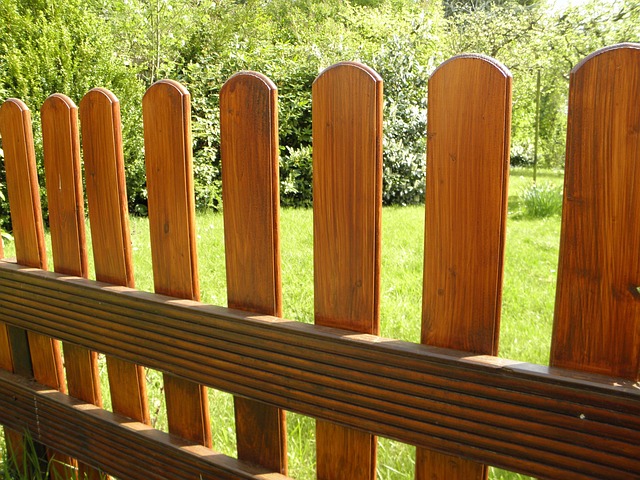
In New Bedford, a well-maintained fence not only enhances the curb appeal of your property but also provides security and privacy. However, fences often face common issues such as rot, damage from weather, and pest infestations. Understanding these problems is the first step towards effective management. This article guides you through the intricacies of New Bedford fence repair and installation, offering insights on professional services, material selection, installation processes, and maintenance tips to ensure your fence stands the test of time.
- Understanding Common Fence Issues in New Bedford
- The Benefits of Professional Fence Repair Services
- Choosing the Right Materials for Your Fence
- Step-by-Step Guide to Fence Installation Process
- Maintenance Tips to Prolong Your Fence's Lifespan
Understanding Common Fence Issues in New Bedford
Fences in New Bedford, like anywhere else, face a range of issues due to environmental factors and wear and tear over time. One of the most common problems is rot, particularly in areas with high moisture levels. This can lead to weak posts and boards that may require replacement or complete fence repair. Weathering and corrosion from salt water are also significant contributors, especially in coastal regions like New Bedford.
Another frequent issue is damage caused by wildlife, such as deer or small animals, which can tear up fencing materials. Improper installation techniques, including inadequate post placement and subpar materials, can exacerbate these problems. Understanding these common issues is the first step in ensuring effective fence repair and installation services.
The Benefits of Professional Fence Repair Services
Professional fence repair services offer numerous advantages for homeowners and property owners. Firstly, they provide expertise and experience that ensure high-quality repairs tailored to your specific fence type and any unique issues it may present. These professionals are equipped with the right tools and knowledge to accurately diagnose problems like damaged posts, rotten boards, or loose connections, addressing them efficiently.
Additionally, hiring experts can extend the lifespan of your fence significantly. Prompt repair work prevents minor issues from escalating into major structural damage. Regular maintenance, often included in professional services, keeps your fence looking its best, enhancing your property’s overall curb appeal. This is particularly beneficial for homes or businesses aiming to make a positive impression on visitors and potential buyers.
Choosing the Right Materials for Your Fence
When it comes to fence repair or installation, selecting the appropriate materials is a crucial step. The right choice can ensure your fence’s durability and longevity while aligning with your aesthetic preferences. Consider factors like climate conditions and local regulations, as some materials may be more resistant to rust, rot, or extreme temperatures, depending on your region.
Wooden fences, for instance, offer a classic look but demand regular maintenance. Vinyl options are low-maintenance alternatives, suitable for diverse weather conditions. Wrought iron is another durable choice, adding a touch of elegance, though it may require more frequent repairs and can be costlier. Each material has its unique advantages and will impact both the fence’s performance and your long-term satisfaction with the installation.
Step-by-Step Guide to Fence Installation Process
1. Planning and Preparation: Before installing any fence, assessing your property line is crucial. Measure the area, ensuring compliance with local regulations. Choose a suitable fencing material—wood, vinyl, or metal—based on durability, aesthetics, and budget. Gather all necessary tools like post-hole diggers, hammers, levels, and measuring tapes.
2. Site Preparation: Clear the installation site of any debris or obstructions. Mark the property line to avoid encroachment. Dig holes for the fence posts using a post-hole digger, ensuring they are deep enough (at least one-third of the post’s height) for stability. Place the posts in the holes and use level tools to ensure they’re straight. Fill the holes with concrete, allowing it to set completely. Attach the fence panels or rails to the posts using the appropriate hardware, securing them tightly.
Maintenance Tips to Prolong Your Fence's Lifespan
Regular maintenance is key to keeping your fence in top condition and ensuring its longevity. Here are some simple tips to help extend the life of your new or existing fence: keep an eye out for any loose or damaged boards, and replace them promptly. Regularly inspect posts and rails for signs of rot or weakness, and treat these areas with a suitable preservative if needed. Cleaning your fence at least once a year removes dirt, debris, and algae buildup, which can all contribute to deterioration. Use a soft-bristled brush and mild detergent, then rinse thoroughly with water. Finally, apply a fresh coat of paint or sealant to protect the wood from the elements.