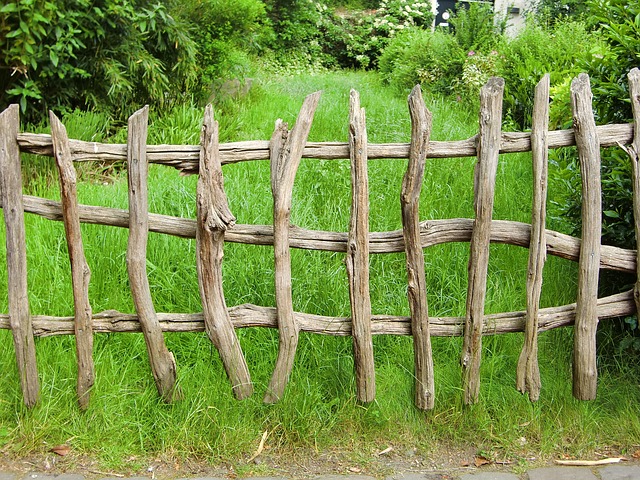
In coastal regions, where harsh weather conditions and salt air pose unique challenges, durable wooden fencing is an attractive and sustainable solution. This article explores the intricacies of designing and installing resilient wood fences tailored to these environments. We delve into the benefits, from enhanced aesthetics to extended lifespans, offering a comprehensive guide. By understanding the key factors—wood selection, installation methods, and maintenance—homeowners and builders can invest in fencing that not only protects properties but also withstands coastal climates for years to come.
- Understanding Coastal Fencing Challenges
- Benefits of Durable Wooden Fencing
- Choosing the Right Wood Species
- Installation Techniques for Coastal Areas
- Maintenance and Longevity Secrets
- Environmental Impact and Sustainability Considerations
Understanding Coastal Fencing Challenges
Coastal areas present unique challenges when it comes to fencing due to their harsh, often harsh marine environments. Strong winds, salt mist, and frequent rainfall can accelerate the deterioration of traditional fencing materials. The challenge is not just in selecting robust materials but also ensuring they withstand the constant exposure to moisture and salty air without compromising aesthetics. Regular maintenance becomes more complex as access to these areas may be limited due to terrain or weather conditions.
These challenges necessitate a shift towards durable and resilient fencing solutions, like wooden fences specifically treated for coastal use. Such fences must be constructed from robust wood species naturally resistant to decay and moisture absorption, such as cedar or treated timber. Additionally, proper sealing and coating can further enhance their longevity, ensuring they not only endure the coastal elements but also maintain their beauty over time.
Benefits of Durable Wooden Fencing
Durable wooden fencing offers an array of benefits for coastal areas, where traditional materials often face challenges from harsh weather conditions and salt air. Firstly, wood’s natural resistance to rot and decay makes it a superior choice compared to other materials that may quickly deteriorate in humid environments. This longevity ensures that fences remain robust and secure, providing long-term protection for properties.
Additionally, wooden fencing can be beautifully crafted and designed to suit various aesthetic preferences. From classic styles to modern designs, the versatility of wood allows for unique and eye-catching barriers that enhance the curb appeal of coastal homes and businesses. Moreover, compared to metal or vinyl options, wooden fences blend seamlessly with the natural environment, contributing to a more harmonious coastal landscape.
Choosing the Right Wood Species
When selecting wood for coastal fencing, choosing the right species is paramount to ensure durability. Exposing wooden fences to saltwater and constant wind can cause rapid deterioration, so selecting a resilient variety is essential. Hardwoods like cedar, redwood, or teak are popular choices due to their natural resistance to rot and insects. These woods also have a more attractive, aged appearance over time.
Considerations should include the local climate, exposure to elements, and desired maintenance level. For instance, while cedar is widely used for its beauty and durability, some species of redwood can offer even greater longevity in coastal conditions due to their natural chemical resistance. Consulting with a professional or expert in the field can help guide decisions based on specific area requirements.
Installation Techniques for Coastal Areas
When installing wooden fencing in coastal areas, specialized techniques are essential to ensure durability and longevity against harsh weather conditions. One effective method is pre-treating the wood before installation. This involves applying protective coatings or preservatives to shield the fence from salt water, high humidity, and frequent storms. Treated wood, such as pressure-treated lumber, is an ideal choice for coastal fences due to its enhanced resistance to rot, decay, and insect damage.
Another crucial aspect is proper anchorages and brackets. Given the potential for strong winds and storm surges, secure attachment of the fence posts to the ground is vital. Helical or sleeve anchors, driven deep into the soil, offer a robust solution. Additionally, using bracket systems designed specifically for coastal environments ensures stability and prevents fencing from tipping over during severe weather events. These installation techniques, combined with high-quality materials, contribute to the overall durability and safety of wooden fences in challenging coastal settings.
Maintenance and Longevity Secrets
Durable wooden fencing for coastal areas requires a unique approach to maintenance and care, as it constantly faces the harsh effects of salt air, wind, and potential moisture. Regular cleaning is essential to remove any salt buildup, which can weaken the wood over time. A simple solution of warm water and mild detergent, applied with a soft brush, will keep the fence clean and protect its finish. Additionally, reapplying sealant or paint every few years ensures the wood remains protected from the elements.
Longevity also depends on proper installation and material quality. Treated timber specifically designed for exterior use should be chosen to resist rot and pest damage. Post-installation, regular inspection is crucial to identify any signs of deterioration early on. Promptly addressing issues like loose boards or damaged posts can prevent major repairs later on, ensuring the fence maintains its structural integrity and aesthetic appeal.
Environmental Impact and Sustainability Considerations
The selection of fencing materials for coastal regions requires careful consideration due to the unique environmental challenges posed by salt air, strong winds, and moisture. Wooden fencing, when chosen responsibly, can offer a durable and aesthetically pleasing solution while also addressing sustainability concerns. One of the key advantages of wood is its renewability; properly sourced timber from managed forests ensures a constant supply without depleting natural resources.
Additionally, durable wooden fencing can contribute to environmental sustainability through its longevity. Unlike some synthetic materials that may require frequent replacement, well-maintained wooden fences have the potential to last for decades with minimal maintenance. This reduces waste and the demand for new materials, lowering the overall ecological footprint. Furthermore, wood is a natural insulator, which can help regulate coastal temperatures, contributing to a more sustainable built environment.